

The combination of artificial intelligence and robotics is making it possible to develop machines that can perceive their surroundings, learn, and carry out activities in the physical world.
Introduction
When we think about artificial intelligence, we usually imagine apps, virtual assistants, or programs that run on a computer.
But what if that intelligence could move into a robot that can navigate, recognize objects, understand its surroundings, and carry out activities without being instructed for every single action?
This possibility is driving the development of a technology known as Physical AI or physical artificial intelligence.
What is Physical AI?
Physical AI is the integration of artificial intelligence with physical devices, such as humanoid robots, autonomous vehicles, drones, and industrial machinery.
Unlike systems that only process digital information, these technologies combine different capabilities:
- Perception: they identify objects, people, and obstacles using cameras and sensors.
- Reasoning: they interpret situations and choose possible actions.
- Movement: they carry out activities using motors and robotic systems.
- Adaptation: they respond to changes in their environment.
For example, a warehouse robot could recognize a box, figure out where it should place it, and change its path if it runs into an obstacle.
Where will we see this technology?
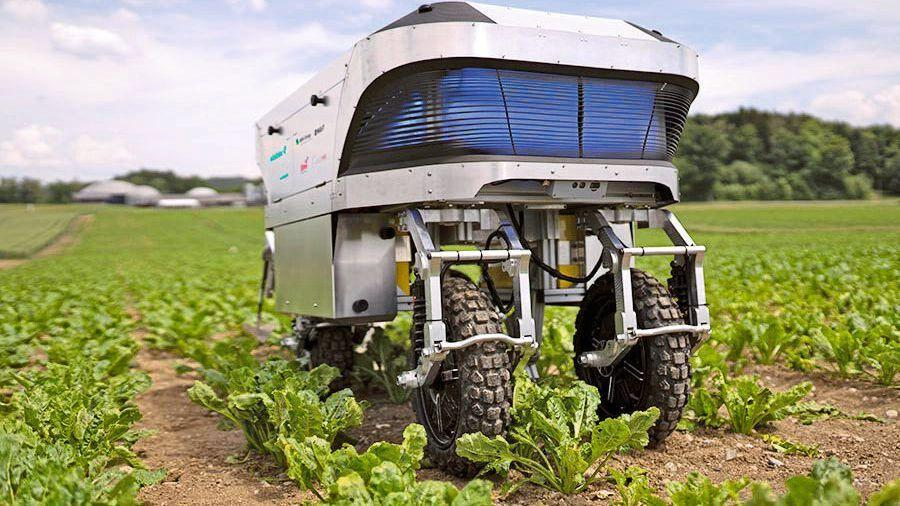
Physical AI has potential applications in different industries:
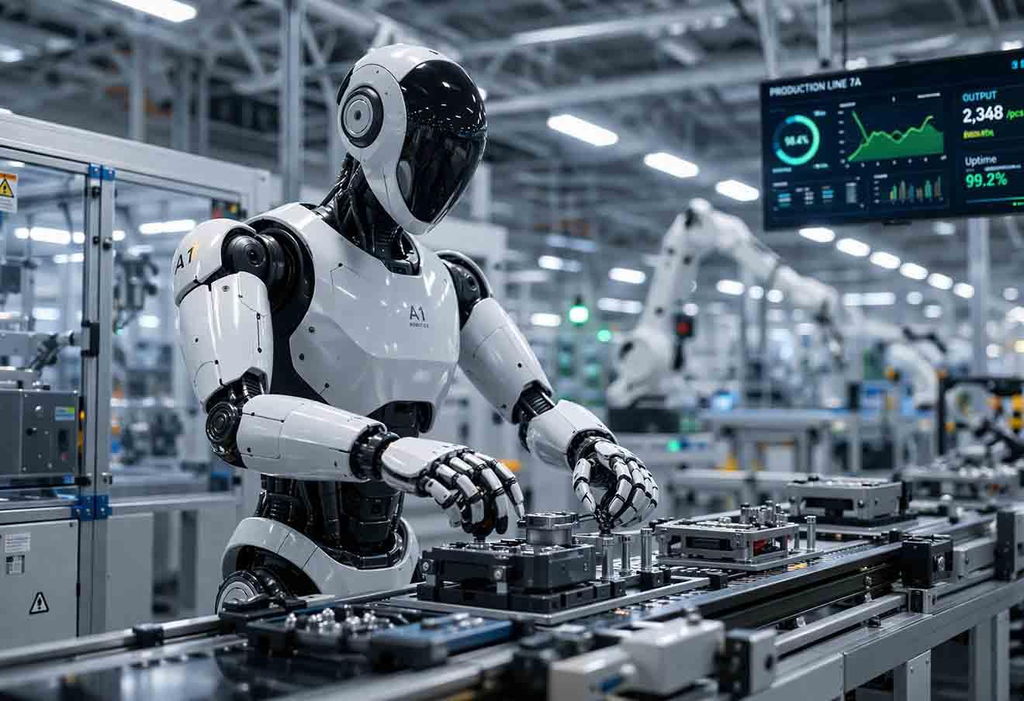
- Manufacturing: robots that collaborate in production and assembly processes.
- Logistics: autonomous systems to transport, sort, and organize goods.
- Agriculture: intelligent machines that identify crops and automate activities.
- Services: robots capable of interacting with people and performing assistance tasks.
McKinsey identifies smart robotics and physical AI among the areas driving technological evolution in 2026. Gartner also highlights the integration of smart models, sensors, simulation, and infrastructure as key elements for this technology.
The challenges of this new revolution
Although the potential is enormous, there are still significant challenges: manufacturing cost, safety, energy consumption, movement accuracy, and the ability to operate in unpredictable environments.
A robot can perform well in a controlled factory, but react differently when it encounters situations that weren’t considered during its training.
Conclusion
Physical AI represents one of the next big steps in artificial intelligence: taking the ability to analyze and make decisions beyond the screens.
In the coming years, smart robots could become regular participants in factories, warehouses, hospitals, and other workplaces.
The question is no longer just what artificial intelligence can do, but what it can do when it has a body to interact with the world.