
Artificial intelligence is evolving from being a tool that answers questions to becoming a system capable of planning, making decisions, and executing entire tasks.
Introduction
Over the past few years, artificial intelligence has become an everyday tool. From virtual assistants to image and code generators, their main function had been to help people get information or produce content.
However, a new generation of technology is changing this dynamic: autonomous AI agents.
Unlike traditional chatbots, these systems can receive an objective, divide it into tasks, use digital tools, analyze results, and execute different actions to achieve a goal.
What makes self-employed agents different?
An AI agent doesn’t just generate a response. It can work through a cycle of planning, execution, and evaluation.
For example, a company could use an agent to manage technical support requests. The system could:
- Receive and automatically sort a request.
- Check information in databases.
- Identify possible solutions.
- Carry out authorized actions.
- Inform the user about the result.
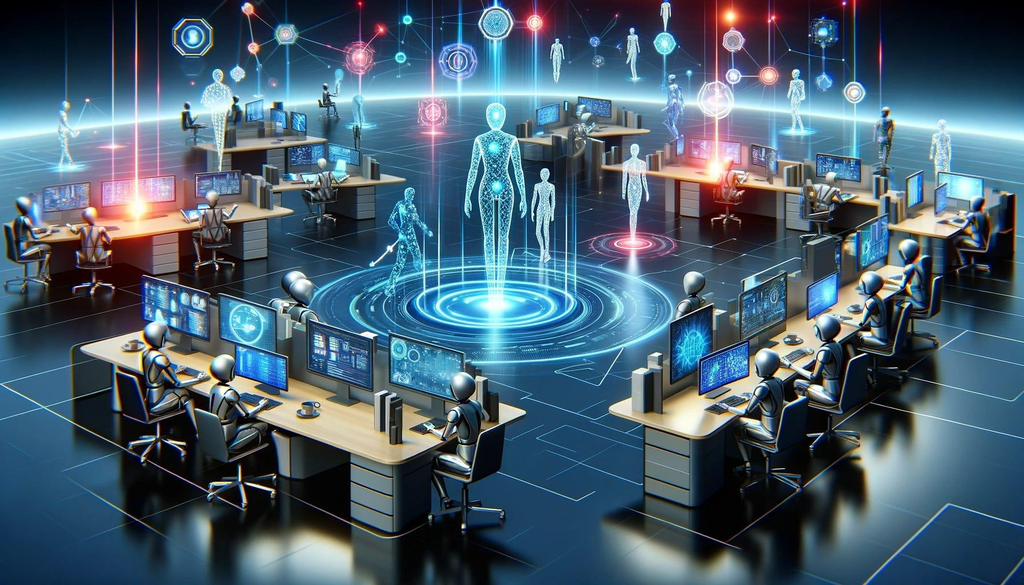
In addition, multiple agents can collaborate with each other. One can analyze information, another develop a solution, and a third verify the results.
How will companies change?
The incorporation of intelligent agents can transform entire departments, especially in areas like customer service, software development, administration, logistics, and data analysis.
McKinsey’s Technology Trends Outlook 2026 report identifies software development as one of the emerging technology trends. McKinsey & Company+1
However, this autonomy also brings challenges related to security, privacy, permissions, and human oversight.
Conclusion
The future of artificial intelligence is not just about building systems that can respond better, but about developing technologies that can work together to solve real problems.
Autonomous agents represent a big shift: we go from using AI as a tool for reference to making it an active part of work processes.